Skip to content
HomePharmacy

Local care, global learning.

The HOME Pharmacy: A Global Health Initiative explores how a community pharmacy can bridge medication access, ambulatory care, public and global health, education, research, and cross-cultural collaboration.

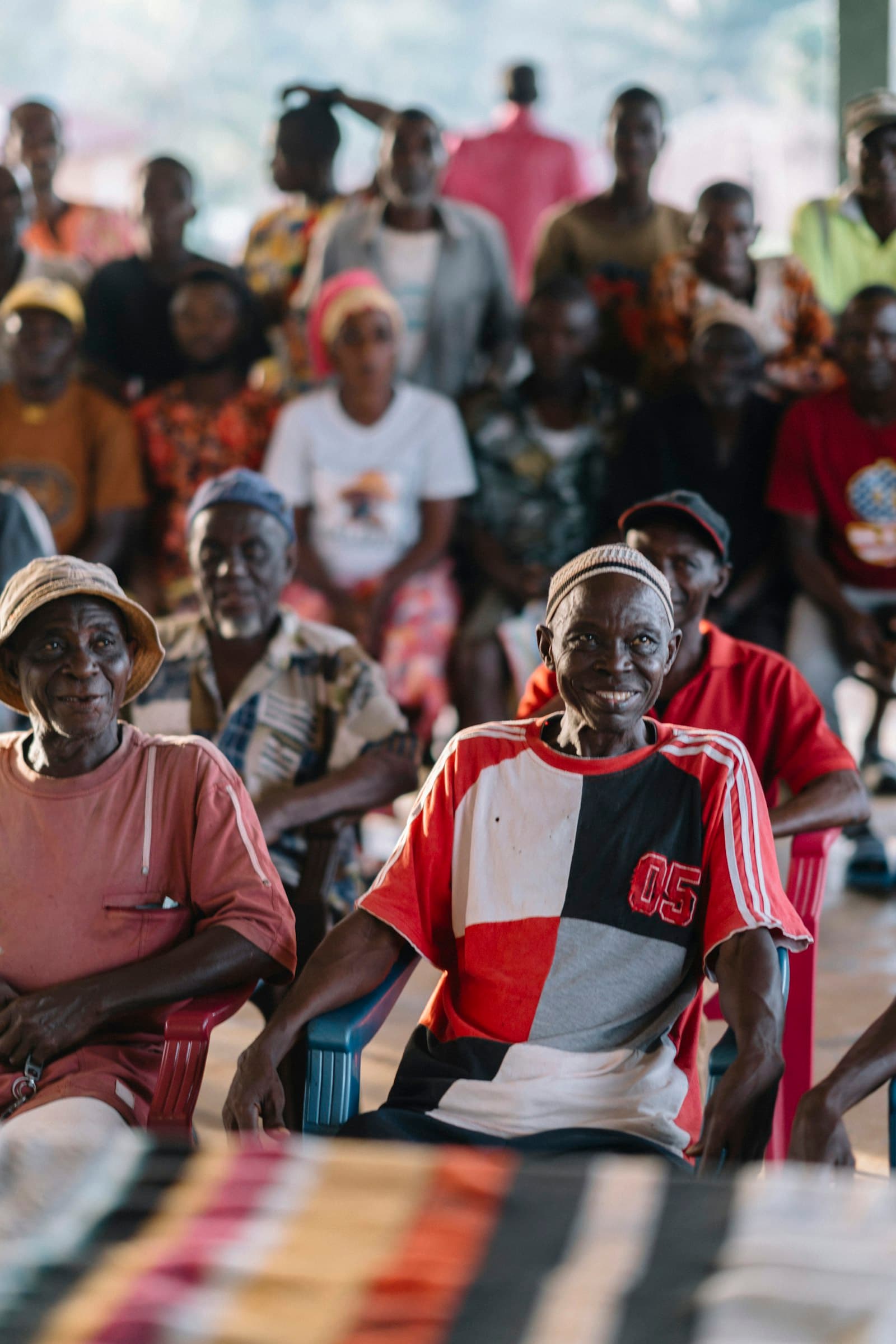
Older community members gathered together, smiling

Obtaining a prescription is only one part of achieving good health. This initiative brings federal public health, ambulatory care, HIV prevention, safety-net care, international health, and pharmacy education together in one community-based model.

The care framework

Ambulatory care pharmacy is the clinical backbone, moving each patient from assessment to intervention or referral, follow-up, and documented outcomes.

Access

Help paying for the medicine you need.

We look for affordable options, explain savings and assistance programs, and help eligible patients through our charitable medication program.

  • Lower-cost options and savings guidance
  • Charitable medication assistance
  • Patient-assistance program enrollment
  • Help with barriers to taking medicine
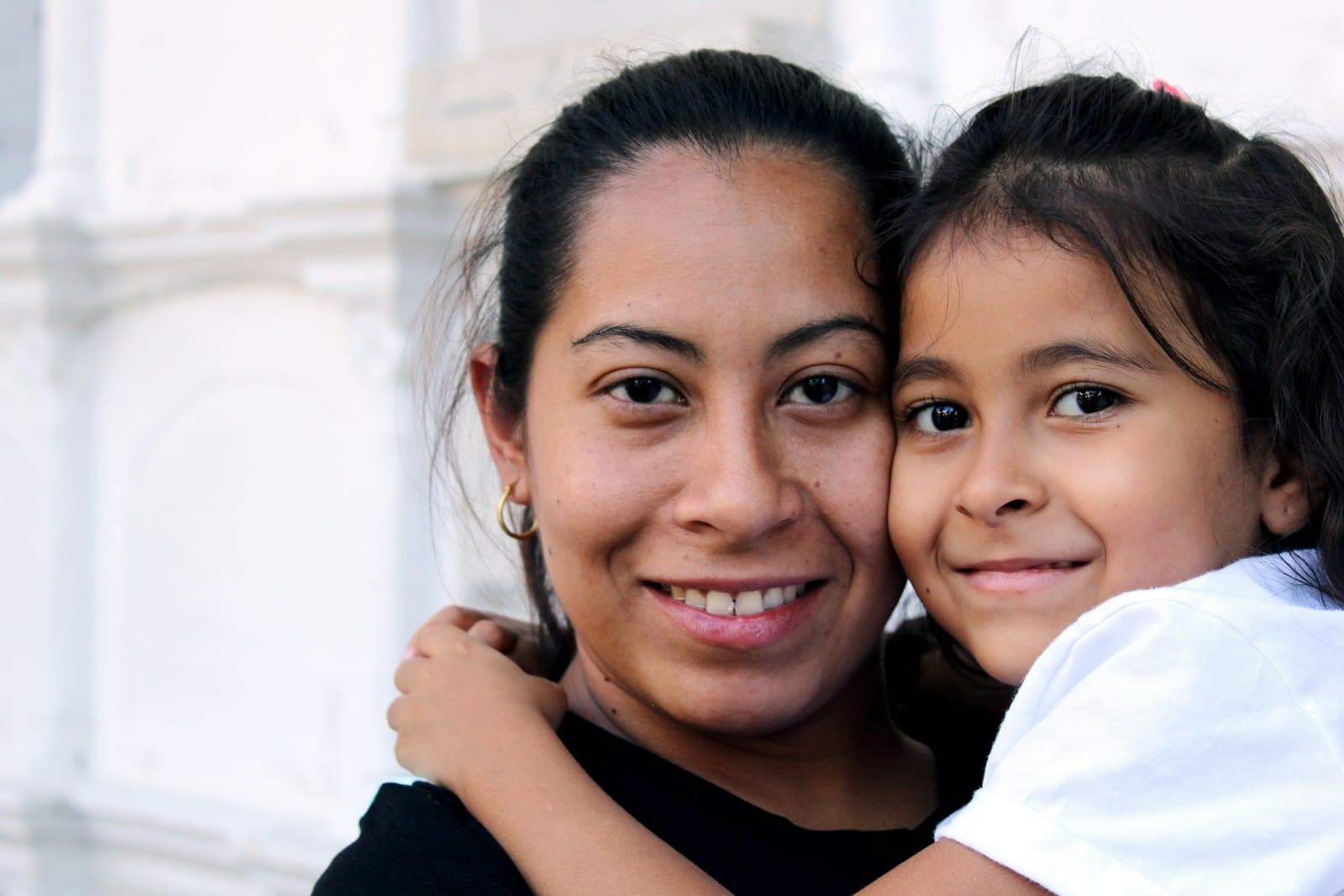
A mother and daughter smiling together

Prevent

Stop problems before they start.

Health education, prevention, and early checks, offered where pharmacists are permitted to provide them, with referrals when you need more.

  • Health education you can use
  • Immunizations and screenings
  • HIV prevention support
  • Referrals for early care
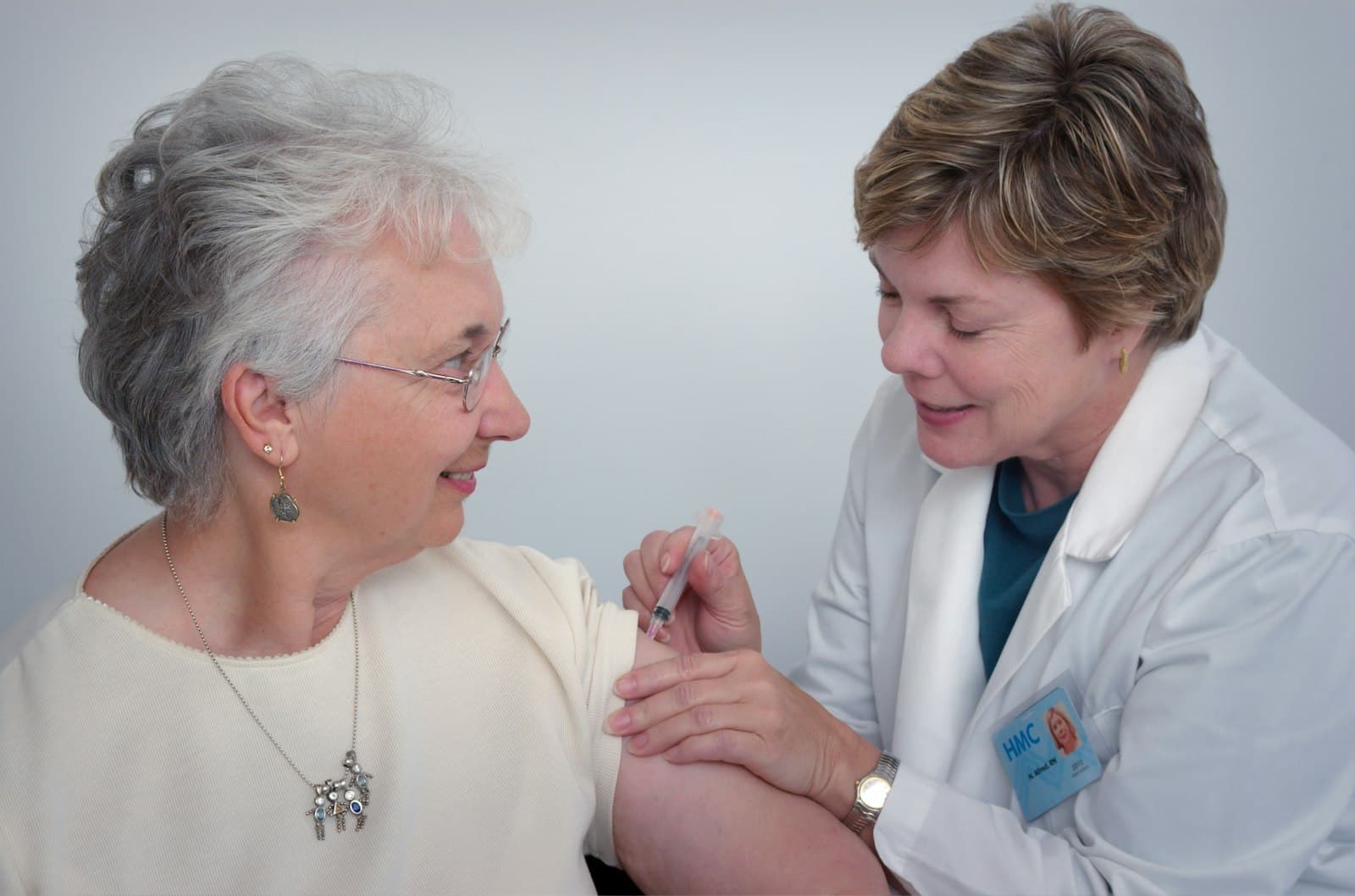
A woman receiving a vaccine

Manage

Stay on top of long-term conditions.

Your pharmacist reviews your medicines with you, supports chronic-disease care, and follows up so your treatment keeps working.

  • Medication therapy management
  • Chronic-disease support
  • Clear counseling and education
  • Monitoring and follow-up
An older couple smiling together at home

Connect

You never have to navigate alone.

We link patients to clinics, community services, and care partners, and build relationships that make those links stronger.

  • Referrals to medical care
  • Community resources and services
  • Care coordination with your clinicians
  • Partnerships with health organizations
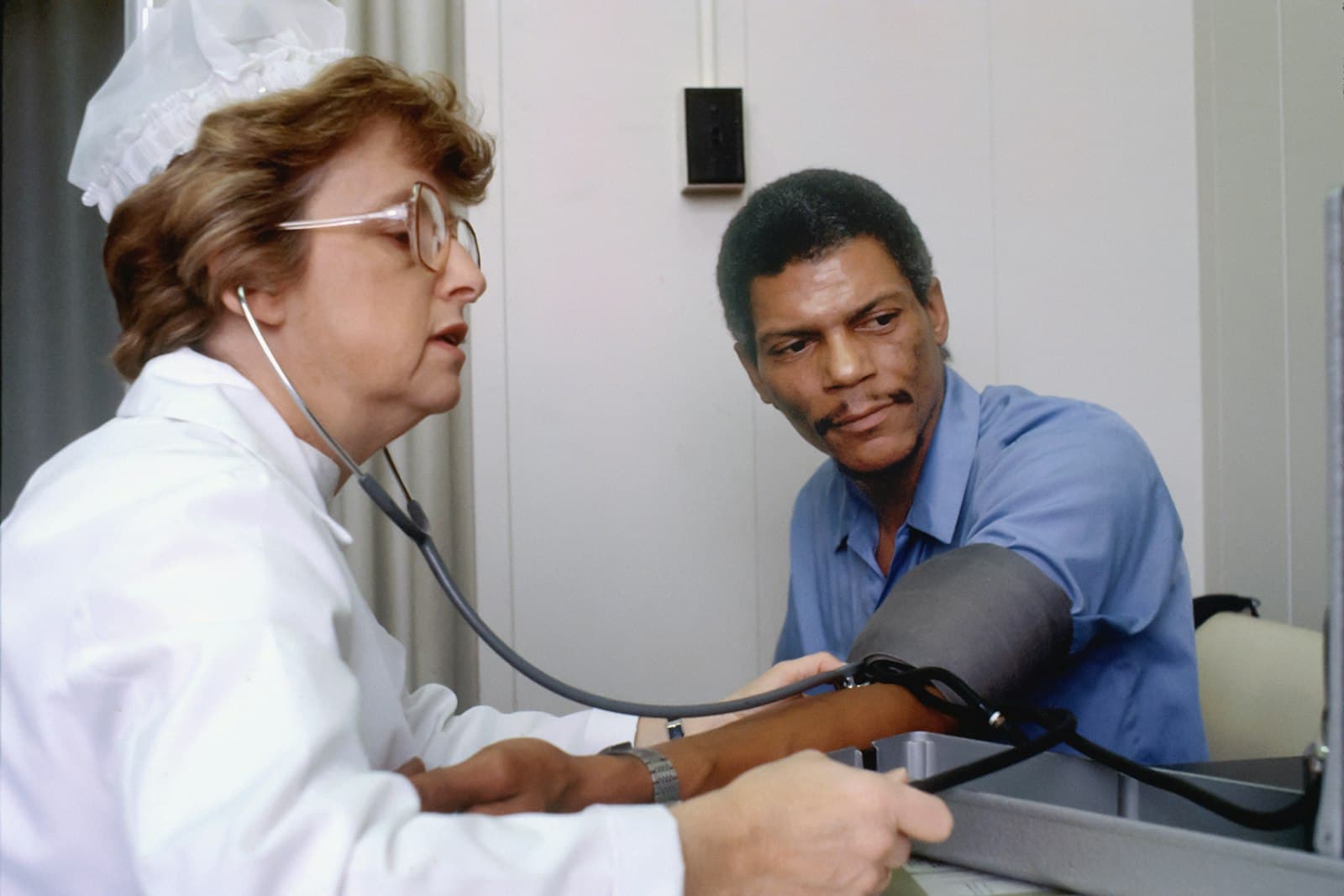
A clinician talking with a patient during a check-up

A focused quality-improvement project

The pharmacy is the primary implementation site for Dr. Muroka's INMED Master of International Health capstone: a four-month, measurable quality-improvement project.

  1. Eligible patient
  2. Health and access assessment
  3. Unmet need identified
  4. Intervention or referral
  5. Follow-up
  6. Documented outcome
  7. Quality review
Primary outcome
The share of identified medication or healthcare-access needs that result in a completed pharmacist intervention or successful referral.
Process measures
Assessments completed, unmet-need categories, access interventions, preventive services, referrals, follow-up, and time to intervention.
Balancing measures
Pharmacist time, staff workload, failed referrals, and operational burden.

Learn, teach, serve, connect.

A living classroom where students see the social, economic, and policy barriers to health, take part in supervised solutions, and measure whether they work.

Learn

Structured service-learning in medication access, counseling, adherence, chronic disease, prevention, health literacy, quality improvement, and health-system financing.

Teach

A developing Public Health in Pharmacy curriculum covering public and global health, equity, medication access, safety-net and humanitarian pharmacy.

Serve

Learning that becomes meaningful service for uninsured, underinsured, and medically underserved people, taught directly by community needs.

Connect

Academic and practice relationships across institutions and countries: joint teaching, comparative projects, research, and eventually reciprocal exchange.

Classroom, community, application, evaluation, learning.

A proposed U.S. and East Africa partnership

The aim is reciprocal learning, not exporting a U.S. model: comparing health systems, disease burdens, access mechanisms, and professional scope to see what each setting can learn from the other.

  • Home site

    The HOME Pharmacy, Orlando

    Community and ambulatory-care practice site, primary local quality-improvement site, and service-learning platform.

  • Proposed

    University of Florida College of Pharmacy

    U.S. academic partner for pharmacy education, experiential learning, curriculum development, research, and QI.

  • Proposed

    USIU-Africa School of Pharmacy and Health Sciences

    East African academic partner for comparative public and global health learning and future exchange.

  • Potential

    Aga Khan University Hospital Outreach Health Network

    Potential collaborator for ambulatory care, healthcare delivery, QI, and population-health learning.

Student and faculty exchange is a long-term goal, developed gradually through joint virtual teaching, collaborative projects, and research, subject to institutional agreements, supervision, and patient-safety standards.

Learning from programs that came first

Charitable pharmacies, academic partnerships, and global exchanges already exist. What may be distinctive here is connecting them around the pharmacist's role in public and global health.

  • AMPATH

    What it demonstrates
    Long-term academic health partnership integrating care, education, research, and trainee exchange.
    What we take from it
    A benchmark for equitable, durable, reciprocal global-health partnership.
  • Purdue CHEQI Charitable Pharmacy

    What it demonstrates
    Charitable medication access with pharmacists, volunteers, and students in a community setting.
    What we take from it
    Medication access, pharmacy-school engagement, and student participation.
  • KC CARE Pharmacy

    What it demonstrates
    Pharmacy embedded in a broader health-center environment.
    What we take from it
    Integrating pharmacy with ambulatory, preventive, and community health services.
  • Pharmacy of Grace

    What it demonstrates
    Full-service pharmacy plus charitable support for qualifying patients.
    What we take from it
    The hybrid full-service and charitable model, and mission sustainability.

The Role of the Pharmacist in Public/Global Health

A book in development by Dr. Muroka, intended as a curriculum resource on the pharmacist's expanding role in public health, population health, ambulatory care, equity, medication access, and global health.

Where 340B fits

Home Pharmacy is not a 340B covered entity. As part of its medication-access strategy, it will explore future partnerships with eligible 340B covered entities and other safety-net organizations where such arrangements are legally permissible, operationally appropriate, and aligned with the mission of improving access for underserved people.

Proposed partnerships, 340B arrangements, exchange activities, and educational collaborations remain exploratory and subject to formal institutional review, agreements, regulatory requirements, funding, supervision, and approval. No institutional endorsement is implied.